

Cat coverage • Price and retained cost

Build an honest cat insurance cost comparison

Compare a complete offer for your cat, then separate the premium from routine care and claim-time costs.

Owner using a laptop beside a tabby cat on a sofa
✓ Policy-first ✓ Independent ✓ Useful checks
Direct answer
Pet insurance cost for cats varies with the cat’s details, location and selected benefits. There is no reliable personal price from the species alone. Request comparable offers for the same cat and distinguish accident-and-illness insurance, optional routine-care benefits, fees and the costs you retain when claiming. This guide does not invent a national average or a quote for your cat.
Compare

Which details change the comparison?

Input Why to hold it steady
Cat’s age and breed description Different profiles can produce different offers; use supported details rather than a cheaper guess.
Home address A price for another location is not a price for your cat.
Medical coverage category Accident-only and accident-and-illness do not protect against the same events.
Deductible, percentage and payout ceiling A cheaper selection can leave more of an eligible bill with you.
Optional benefits Exam, dental or preventive selections can change both benefits and total cost.

NAIC identifies species, breed, age, location and selected coverage among price variables. That is a reason to obtain an actual offer, not a formula for estimating your cat’s premium. An indoor lifestyle also does not identify a single price or establish that no medical protection is needed.

If an adopted cat’s age is estimated, use the supported estimate and ask how the insurer wants uncertainty recorded. Keep the input consistent across companies and correct it if better information becomes available.
Quotes

Put every quote on the same payment basis

Fictional billing illustration, not available insurer prices. Offer A is $28 a month for medical coverage plus $12 a month for an optional routine package, with no fees. Its annual commitment is ($28 + $12) × 12 = $480. Offer B is a single $360 annual medical premium with no routine package.

A headline comparison of $28 versus $360 is meaningless. Even after annualizing, the $480 versus $360 totals describe different benefits. Compare A’s $336 annual medical component with B’s $360 medical component only if their coverage and cost sharing are otherwise comparable; evaluate A’s $144 optional package separately.

Record any actual billing fees or discounts and whether they are already included. Do not add a discount twice or assume a monthly equivalent is the amount debited each month. A one-time annual payment and twelve installments can impose different cash demands even when their annual totals match.

Pet profile

Value a cat’s routine package by care you expect to use

Ask your veterinarian which routine services are appropriate for this cat. Match those services with the offered allowance and frequency, then compare the realistically usable benefit with the extra annual cost. Do not add every printed allowance if the cat will not use it.

For an invented example, suppose a package costs $144 annually and the relevant scheduled allowances total $110. On those assumptions it costs $34 more than the stated benefit available for that schedule. Other services or different terms could change the result; this is not a forecast of your cat’s care.

Keep this calculation separate from protection against an unexpected illness. Removing an unwanted routine package is different from dropping illness coverage. Likewise, a routine plan that reimburses an annual examination does not establish that an illness consultation will be paid.

Cost & value

A premium is not the whole financial exposure

Alongside the quoted annual price, write down the deductible structure, percentage share, exclusions and remaining payout limit. Ask the insurer to calculate a hypothetical eligible bill using the actual formula. An advertised reimbursement percentage should not be applied to every dollar on a clinic invoice.

Keep a separate treatment-day cash plan if you must pay the practice before reimbursement. A low premium can be compatible with a large deductible, a small payout ceiling or excluded services. Decide whether those choices match the risk you intend to carry, rather than assuming the lower premium is automatically better.

For a cat with existing symptoms or medication, ask how that history affects the offered benefits before focusing on price. Enrollment eligibility and payment for an existing concern are different questions.

Cost & value

Preserve a cost record as the cat ages

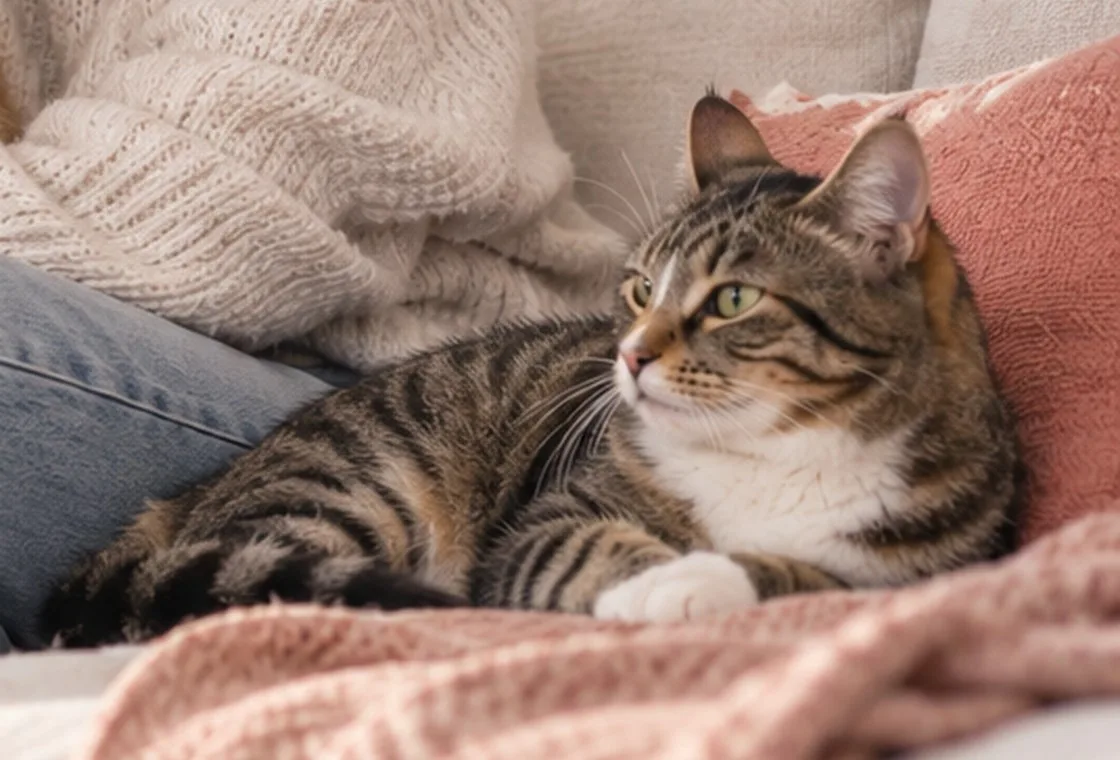
Tabby cat resting on a sofa
Keep future premium reviews separate from the cat’s continuity of cover.

Save the quote inputs, selected benefits and full first-term payment schedule. At renewal, compare the new offer with that record before changing insurers. Determine whether the change comes from price, fees, selections or a disappearing discount.

If the cat has developed a condition while insured, investigate the consequences of replacing the policy. A lower new premium can come with a different medical-history assessment. Do not assume that an existing insurer’s treatment of a condition transfers automatically to another company.

Finish with a small cost summary: medical premium, optional care cost, known fees and your retained-cost plan. That gives you a defensible answer for this cat without pretending one species-wide average is a personal quote.

Evidence

Sources and policy context

These public references support the consumer or veterinary context. Named insurer details were checked in official product materials; the policy offered for your pet and state determines the actual terms.

Next step

Compare Current Pet Insurance Rates

Check current options for your pet and location, then compare the policy details, exclusions, costs, and eligibility before choosing.

Compare the policy before you choose Check the actual offer, exclusions and out-of-pocket terms.
See Rate Options